 Tanaka Electric
Tanaka Electric
Tanaka Electric
Power transformers carry the quiet burden of modern electrical networks. When they operate efficiently, substations remain stable, losses stay controlled, and maintenance teams gain valuable operating confidence. Yet performance rarely depends on one adjustment. It reflects insulation condition, oil quality, cooling efficiency, loading patterns, protection settings, and disciplined inspection.
This guide presents practical Power Transformer Performance Optimization Tips for engineers, plant managers, and maintenance professionals. The recommendations draw on field experience, manufacturer guidance, and established engineering practices such as condition monitoring and thermal assessment. Small details matter. A blocked radiator can raise winding temperatures. A loose connection can create localized heating. Moisture may enter through a neglected breather.
Reliable optimization begins with measurable evidence. Teams should compare temperature trends, dissolved gas analysis, load profiles, vibration readings, and power-loss records. Those results can reveal gradual deterioration before a forced outage occurs. They also support decisions about cooling upgrades, tap-changer servicing, oil treatment, and replacement planning.
No transformer performs perfectly forever. That matters. A maintenance plan can still miss a developing fault, especially when inspections rely on fixed schedules alone. Human judgment also varies between sites. For this reason, each recommendation should be tested against actual operating data, environmental conditions, and the transformer’s design limits. Safety procedures and applicable standards must guide every intervention.
The following tips focus on practical improvements that protect equipment, reduce avoidable losses, and extend service life. They are not shortcuts. Consistency makes the difference.
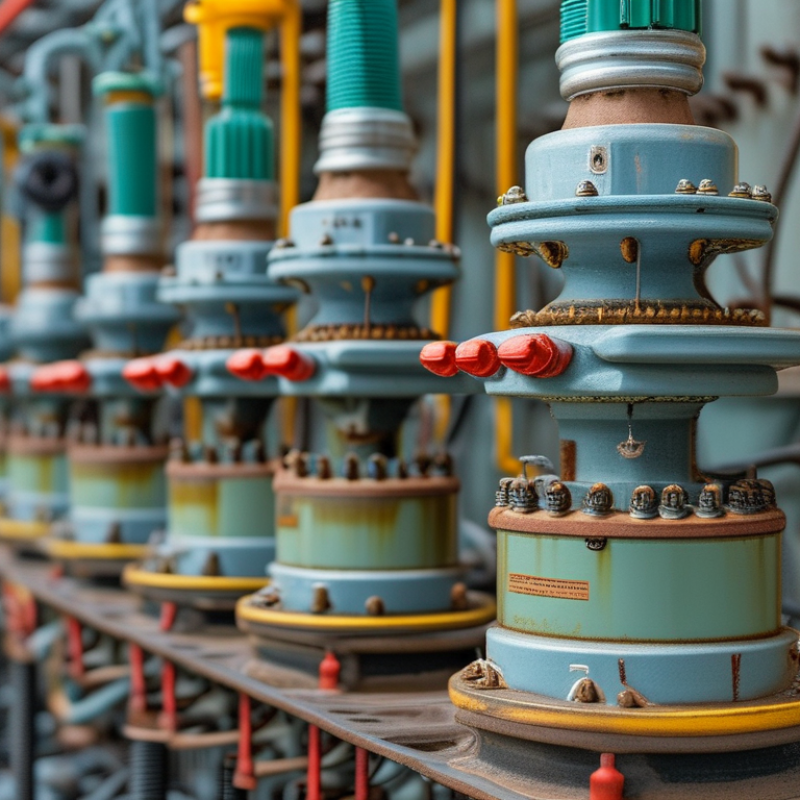
Understanding power transformer performance and efficiency requires more than checking nameplate ratings. In field inspections, small changes often reveal larger problems. A rising oil temperature, uneven winding noise, or repeated voltage fluctuation deserves attention. Loading should remain close to the designed operating range. Excessive loading increases copper losses and accelerates insulation aging. Poor ventilation can also trap heat around radiators and cooling fans. Clean surfaces matter. Even a thin layer of dust can restrict airflow and reduce cooling effectiveness.
Tips: Record load, oil temperature, ambient temperature, and voltage at regular intervals. Inspect bushings for cracks, discoloration, or surface tracking. Test insulation resistance according to approved procedures. Check oil quality for moisture, acidity, and dissolved gases. Tighten accessible connections only under safe, authorized conditions. Balance connected loads where practical. Verify tap-changer operation without forcing stiff mechanisms. Keep cooling controls functional and calibrated. Review unusual sounds instead of dismissing them. Compare current readings with historical records.
Efficiency is not measured by losses alone. A transformer may operate efficiently but poorly if voltage regulation is unstable. Maintenance decisions should combine test results, operating history, and manufacturer-independent engineering judgment. I have seen teams replace components too quickly, while overlooking blocked radiators or inaccurate sensors. That mistake is costly. Measurements can also be imperfect, especially during changing weather or emergency loading. Document the conditions behind every reading. Reliable performance comes from disciplined observation, safe testing, and timely correction.
| No. | Optimization Area | Recommended Practice | Key Performance Indicator | Typical Benefit or Target | Recommended Frequency | Priority |
|---|---|---|---|---|---|---|
| 1 | Load Management | Keep the transformer operating near its planned loading range and distribute loads evenly across parallel units. Avoid prolonged operation above the nameplate rating. | Load factor, peak load, phase-current balance | Lower thermal stress, reduced losses, and improved service life. Investigate sustained loading above 100% of nameplate capacity. | Continuous monitoring; monthly review | High |
| 2 | Voltage Regulation | Use the tap changer correctly to maintain the required secondary voltage without excessive tap movements. Verify control settings against the system voltage profile. | Secondary voltage deviation, tap position, tap operations | Stable voltage within the applicable operating limits and reduced stress on connected equipment. | Continuous monitoring; quarterly setting review | High |
| 3 | Cooling System Efficiency | Inspect radiators, fans, pumps, oil-flow paths, and temperature controls. Remove obstructions and confirm that automatic cooling stages operate correctly. | Top-oil temperature, winding temperature, fan and pump status | Lower operating temperature and improved thermal capacity. A reduction in hot-spot temperature can slow insulation aging. | Monthly inspection; seasonal functional test | High |
| 4 | Transformer Oil Quality | Test insulating oil for dielectric strength, moisture, acidity, interfacial tension, and dissolved gases. Filter or process the oil when test results justify corrective action. | Breakdown voltage, moisture, acidity, dissolved gas levels | Improved insulation reliability and earlier detection of overheating, arcing, or paper degradation. | Annually; more often for heavily loaded or critical units | High |
| 5 | Power Factor and Harmonics | Measure power factor and harmonic distortion on the transformer supply and load sides. Correct excessive reactive power and investigate nonlinear loads that create additional heating. | Power factor, total harmonic distortion, neutral current | Reduced current-related losses, lower heating, and increased usable capacity where correction is properly engineered. | Quarterly; after major load changes | Medium |
| 6 | Connection and Bushing Condition | Check cable terminations, bolted joints, grounding connections, and bushings for looseness, contamination, corrosion, or abnormal temperature rise. | Thermal scan temperature difference, contact resistance, bushing condition | Lower risk of hot spots, partial discharge, unplanned outages, and connection-related losses. | Thermographic inspection every 6–12 months | High |
| 7 | Core and Winding Loss Control | Track no-load and load losses during commissioning and periodic testing. Investigate unusual increases that may indicate shorted laminations, winding deformation, or poor connections. | No-load loss, load loss, impedance, winding resistance | Early identification of internal deterioration and better confirmation that efficiency remains within design expectations. | Baseline at commissioning; diagnostic testing as required | Medium |
| 8 | Insulation and Moisture Management | Prevent water ingress by maintaining seals, breathers, conservators, and enclosures. Monitor insulation resistance and polarization characteristics when appropriate. | Insulation resistance, moisture content, power factor or dissipation factor | Slower insulation aging, improved dielectric strength, and lower probability of internal faults. | Annual inspection; after abnormal events or repairs | High |
| 9 | Condition Monitoring | Use sensors and alarms for temperature, load current, oil level, pressure, dissolved gases, and partial discharge where the asset criticality supports it. | Alarm trends, dissolved gas trends, temperature rate of change | Condition-based maintenance, earlier fault detection, and reduced dependence on fixed-interval maintenance alone. | Continuous monitoring; trend review monthly | Medium |
| 10 | Preventive Maintenance and Data Review | Maintain a documented asset history covering inspections, test results, loading, alarms, repairs, and failures. Use the data to prioritize maintenance and replacement decisions. | Failure rate, maintenance findings, availability, efficiency trend | More predictable performance, improved maintenance planning, and reduced total ownership cost. | Update after every intervention; formal review annually | High |
Record load current, voltage, oil temperature, ambient temperature, oil level, and cooling status. Use time-stamped forms.
High loading increases copper losses and winding temperature. It also accelerates insulation aging. Peak periods deserve extra attention.
Dust-covered radiators and faulty fans trap heat. Even a thin layer matters. Thermal stress may rise during evening peaks.
Inspect bushings, terminals, cables, gaskets, radiators, and grounding points. Look for cracks, discoloration, leaks, corrosion, hot spots, and unusual noise.
Review meter calibration, no-load losses, load losses, power factor, and temperature conditions. Repeat unusual measurements under similar conditions.
A single reading can mislead. Repeated trends show developing stress more clearly than isolated values.
Check moisture, acidity, and dissolved gases. Clean containers and accurate labels matter. Results still need qualified interpretation.
Combine test results, operating history, equipment condition, and documented risk. Do not replace parts too quickly.
Teams may trust inaccurate sensors or dismiss a small temperature rise. I have made that mistake. Data needs challenge.
Review alarms, inspections, laboratory reports, and seasonal trends. Adjust loading only after checking thermal limits and protection settings.
Power Transformer Performance Optimization Tips provide a practical framework for improving transformer efficiency, reliability, and service life. The process begins with understanding how transformer performance is affected by load demand, voltage stability, ambient conditions, and operating history. By assessing these factors, operators can identify energy losses, overheating, excessive loading, voltage variation, and other conditions that may reduce efficiency or increase operational stress.
Optimization also involves improving cooling performance, balancing loads, maintaining suitable voltage regulation, and protecting insulation from moisture, contamination, and thermal aging. Regular inspections, condition monitoring, oil and insulation assessments, and timely maintenance help detect developing problems before they become serious failures. Finally, organizations should establish clear performance records, review operating data, and continuously refine maintenance and loading strategies. A consistent, data-informed approach can reduce losses, improve reliability, extend transformer life, and support safer, more efficient power system operation.
