 Tanaka Electric
Tanaka Electric
Tanaka Electric
In the ever-evolving landscape of mining operations, selecting the right equipment is crucial. Among these, the Mining Duty Transformer stands out as a vital component. Industry expert, Dr. Emily Carter, emphasizes, "Choosing the right Mining Duty Transformer can significantly impact operational efficiency." Her insight reflects the importance of reliability in harsh environments.
These transformers are designed to withstand extreme conditions. They provide consistent power, ensuring that mining activities run smoothly. Global buyers face a plethora of options, which can be overwhelming. Each choice has its merits and pitfalls. Understanding the specifications and applications of these transformers is essential for informed decision-making.
However, not all Mining Duty Transformers are created equal. Market research shows varying performance levels across brands. Some transformers may not fulfill their promises, leading to operational setbacks. Buyers must weigh their choices thoughtfully, perhaps consulting experts or detailed reviews. Navigating this complex industry requires diligence to avoid costly mistakes.
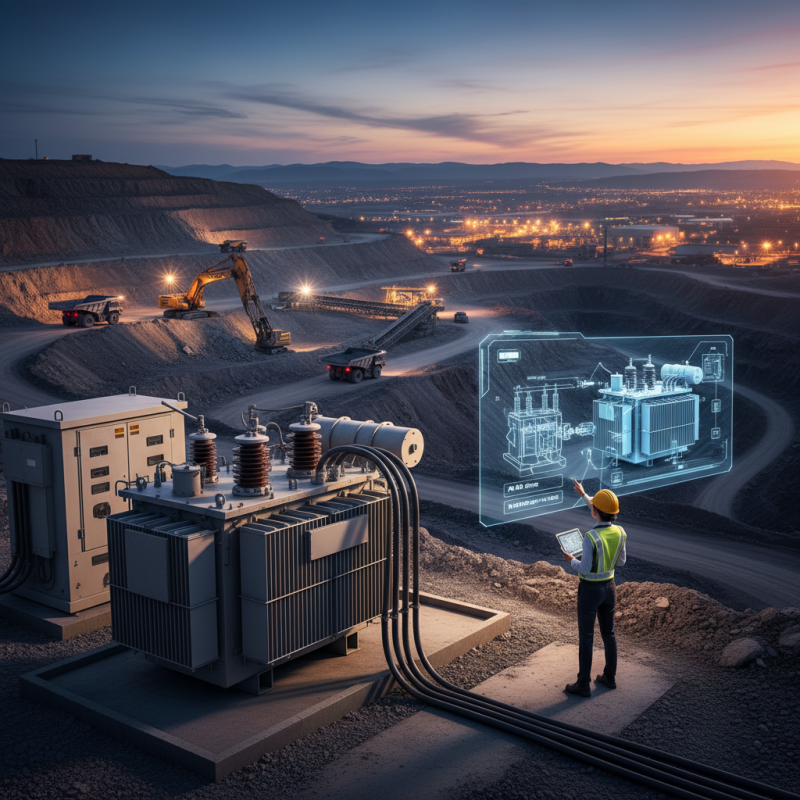
Mining duty transformers are essential for the mining industry. These transformers power heavy machinery that extracts minerals. A report from the International Journal of Electrical Engineering indicates that reliable transformers can enhance efficiency by 10-15%. This improvement can significantly impact overall production rates.
The design and construction of mining duty transformers must withstand harsh environments. They face extreme temperatures, moisture, and dust. According to industry standards, these transformers are typically rated for higher temperatures and have robust insulation. Data from the United States Energy Association suggests that around 70% of transformer failures occur due to inadequate insulation systems. This statistic highlights the need for durable designs that can handle mining conditions.
Despite advancements, the mining sector still faces challenges. Aging infrastructure often leads to performance issues. Many operators overlook regular maintenance, which is crucial to ensure durability. Upgrading to modern transformer technologies may mitigate some of these risks. Yet, the cost can pose a barrier for smaller operations, forcing them to weigh options carefully. Understanding the balance between cost and performance in transformer selection remains vital for global mining operations.
: Mining duty transformers are crucial for ensuring operational efficiency in the mining industry.
Robust construction helps withstand extreme conditions found in mining environments.
Advanced cooling systems enhance reliability and prevent overheating during high-demand periods.
Transformers should handle at least 10-15% more load than the maximum expected to ensure reliability.
Adaptability allows transformers to manage varying loads and fluctuations in power supply effectively.
They provide real-time diagnostics and predictive maintenance to reduce costly downtime.
Safety features like overload relays can prevent severe accidents and electrical failures.
Understanding specific mining conditions helps in making informed choices about transformers.
Dust, moisture, and temperature can damage transformers, so durability is essential in selection.
Reliable service support after purchase is crucial for long-term operational efficiency.
The article "2026 Best Mining Duty Transformer for Global Buyers" provides a comprehensive overview of mining duty transformers, emphasizing their critical role in the mining industry. It highlights the key features that define high-performance mining duty transformers, such as durability, efficiency, and advanced technology. Additionally, the article discusses the latest global trends and innovations shaping the mining transformer market as we approach 2026, indicating a push towards more environmentally friendly and energy-efficient designs.
When considering the purchase of a mining duty transformer, buyers should be aware of several important factors, including the specific operational demands, compatibility with existing systems, and the reliability of manufacturers. Understanding these elements will help buyers make informed decisions that optimize performance and safety in mining operations.
