Power Transformer Fault Diagnosis Methods are essential for ensuring the reliability of electrical systems. As industries depend heavily on power transformers, understanding their faults becomes crucial. Faults can lead to significant downtime and repair costs. Buyers must be knowledgeable about these methods to make informed decisions.
Various techniques exist for diagnosing faults in power transformers. These methods include visual inspections, thermal imaging, and electrical tests. Each technique has its advantages and limitations. Buyers should evaluate their specific needs and the nature of their equipment carefully. Achieving optimal performance often requires combining several fault diagnosis methods.
Understanding the complexities of power transformer faults is not straightforward. It requires in-depth knowledge and experience. Even with the best practices, some faults may remain undetected. Hence, buyers must frequently revisit their fault diagnosis strategies. Staying updated with the latest advancements can significantly enhance reliability and safety.
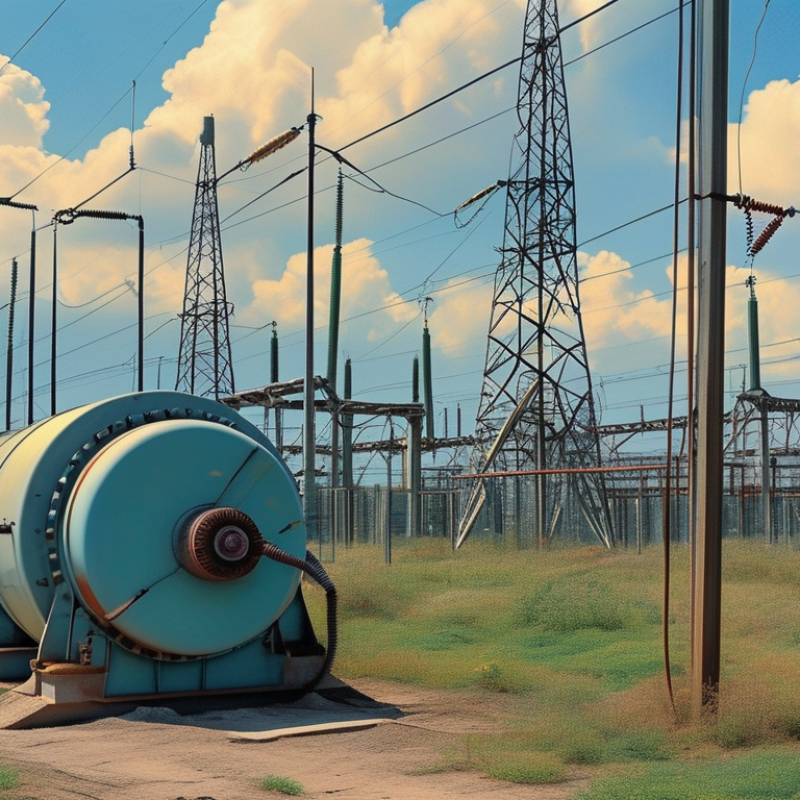
Power Transformer Overview: Key Features and Functions
Power transformers are crucial in electrical systems, facilitating the efficient transmission of electricity. Their primary role is to step up or step down voltage levels between different parts of the grid. According to the International Energy Agency, power transformers account for about 30% of the total electricity losses in transmission. These losses can significantly impact operational costs and system reliability.
A well-functioning transformer comprises several key features. This includes insulation materials, cooling systems, and core designs. These features enhance performance and longevity. For instance, oil-immersed transformers often use mineral oil for cooling and insulation, providing effective heat dissipation. However, improper maintenance can lead to deterioration of insulation, risking failure. In fact, studies show that over 70% of transformer failures stem from insulation issues.
Moreover, the reliability of these transformers depends on regular monitoring. Data from the Electric Power Research Institute indicates that predictive maintenance can reduce failure rates by as much as 50%. Incorporating technology like thermal imaging and dissolved gas analysis helps identify potential faults early on. Nonetheless, many facilities still rely on outdated practices, reflecting a need for continual improvement in maintenance strategies.
Common Types of Faults in Power Transformers
Power transformers play a crucial role in electrical distribution systems. Understanding the common types of faults in these devices is essential for maintenance and reliability. Among the most frequent faults are insulation failures and short circuits. Insulation breakdown can occur due to moisture, aging, or manufacturing defects. This leads to a loss of insulation resistance, resulting in severe damage.
Another common fault is a short circuit. This often arises from electrical overloads or faults in the connected equipment. A short circuit can quickly escalate, causing damage to windings and core structures. Monitoring systems can help detect these issues early, but not all facilities have them. Regular inspections and testing are necessary to mitigate risks. Not all signs are obvious, and sometimes faults manifest only under certain conditions.
Overheating is another fault that can indicate deeper issues. It may stem from inadequate cooling or excessive load. This condition often goes unnoticed until it's too late. Identifying the root cause requires experience and expertise. Professionals may need to analyze temperature trends and operational data. Awareness and prompt action can prevent catastrophic failures.
Diagnostic Methods: Traditional vs. Modern Techniques
Power transformers are vital components in the electrical grid. Ensuring their reliability involves effective fault diagnosis methods. Traditional techniques often rely on visual inspections and basic electrical tests. These methods may overlook subtle issues, leading to expensive failures. Yet, they remain important in many scenarios, especially when immediate analysis is required.
Modern diagnostic techniques, however, leverage advanced technology. These include partial discharge measurements and thermal imaging. Such approaches provide deeper insights into transformer health. They can detect faults that traditional methods might miss. Additionally, using data analytics enhances predictive maintenance. This reduces unexpected outages and prolongs equipment life.
When evaluating these methods, consider the complexity of your transformer system. Not every approach is suitable for all transformers. Balance cost and necessary precision. Prioritize techniques that align with your operational goals. Keeping your transformers well-monitored can save time and resources. Remember, proper diagnosis today prevents bigger problems tomorrow.
Factors Influencing Fault Diagnosis Accuracy
When diagnosing faults in power transformers, several factors play a crucial role in accuracy. The complexity of the transformer design itself can impact the diagnostic methods used. Transformers have multiple components that can fail, and each part may show different symptoms. Understanding these symptoms is key to accurate diagnosis. Technicians need extensive training and experience to interpret signs effectively.
Environmental factors should not be overlooked. Temperature fluctuations, humidity, and dust levels can affect transformer performance and fault detection. A transformer in a stable environment might perform better than one subject to extreme conditions. Keeping the operating environment stable can enhance diagnostic accuracy. However, this is often a challenge in real-world settings.
Using advanced diagnostic tools adds complexity. While modern technologies improve detection, they can also introduce errors if not calibrated correctly. Technicians must remain vigilant about the calibration and understanding of these tools. Beware of over-reliance on technology without proper human oversight. Balancing technology and experience is vital for achieving reliable fault diagnosis in power transformers.
Choosing the Right Diagnostic Method for Your Needs
When it comes to diagnosing power transformer faults, selecting the appropriate method can be daunting.
Different diagnostic techniques offer varied insights into the transformer's condition.
For example, electrical testing can provide immediate data on performance.
However, it often overlooks subtle internal issues.
On the other hand, thermal imaging can highlight overheating components,
but it may miss deeper mechanical failures.
Users often feel overwhelmed by the choices.
A solid understanding of each method's strengths and limitations is crucial.
Some techniques are more reliable than others but may demand additional training to implement effectively.
Users might lean towards a method based on past experiences.
Yet, reliance on familiar techniques can lead to blind spots.
Balancing experience with new information is vital.
Consulting specialists can also provide valuable insights into the best practices for individual circumstances.
Ultimately, an informed choice will enhance the reliability of power transformers, leading to improved operational efficiency.
FAQS
: Power transformers step up or step down voltage levels between different parts of the grid.
They account for about 30% of total electricity losses in transmission, impacting costs and reliability.
Key features include insulation materials, cooling systems, and core designs that enhance performance and longevity.
Over 70% of failures are linked to insulation issues, often due to improper maintenance.
Regular monitoring and predictive maintenance can reduce failure rates by up to 50%.
Temperature fluctuations, humidity, and dust levels can significantly impact performance and fault detection accuracy.
If not calibrated properly, advanced tools can lead to inaccuracies, emphasizing the need for human oversight.
Understand the strengths and limitations of each method; balancing experience with new insights is important.
The complexity of transformer designs and environmental conditions complicate fault diagnosis efforts.
Over-reliance on familiar diagnostic techniques can create blind spots and reduce diagnostic accuracy.
Conclusion
Power Transformer Fault Diagnosis Methods are crucial for maintaining the reliability and efficiency of electrical power systems. The article begins with an overview of power transformers, highlighting their key features and essential functions in electrical networks. It then explores common types of faults that can occur in power transformers, such as insulation failures and short circuits.
The discussion further contrasts traditional diagnostic techniques with modern methods, illustrating how advancements in technology have improved fault detection and analysis. Factors influencing the accuracy of these diagnostic methods are also examined, emphasizing the importance of proper selection based on specific needs and conditions. Overall, this article provides a comprehensive guide for buyers looking to understand and choose effective Power Transformer Fault Diagnosis Methods tailored to their operational requirements.
 Tanaka Electric
