In the modern energy landscape, smart grids play a crucial role in revolutionizing efficiency. Their integration heavily depends on power transformers, key components that ensure stable power distribution. According to Michael Thompson, a leading expert in smart grid technology, “Power transformers are the backbone of smart grids, enabling seamless energy management.” This underscores the importance of understanding how smart grids use power transformers.
These transformers not only optimize energy flow but also enhance reliability in electricity delivery. They adapt to fluctuating demands and enable real-time monitoring of power systems. However, the reliance on these devices also presents challenges. Maintenance and technological upgrades can be costly and complex.
Understanding how smart grids use power transformers is essential for future developments. The push for efficiency introduces new issues that need addressing. Balancing innovation with practicality is an ongoing journey in this field. The importance of these transformers cannot be overstated as we strive for smarter, greener energy solutions.
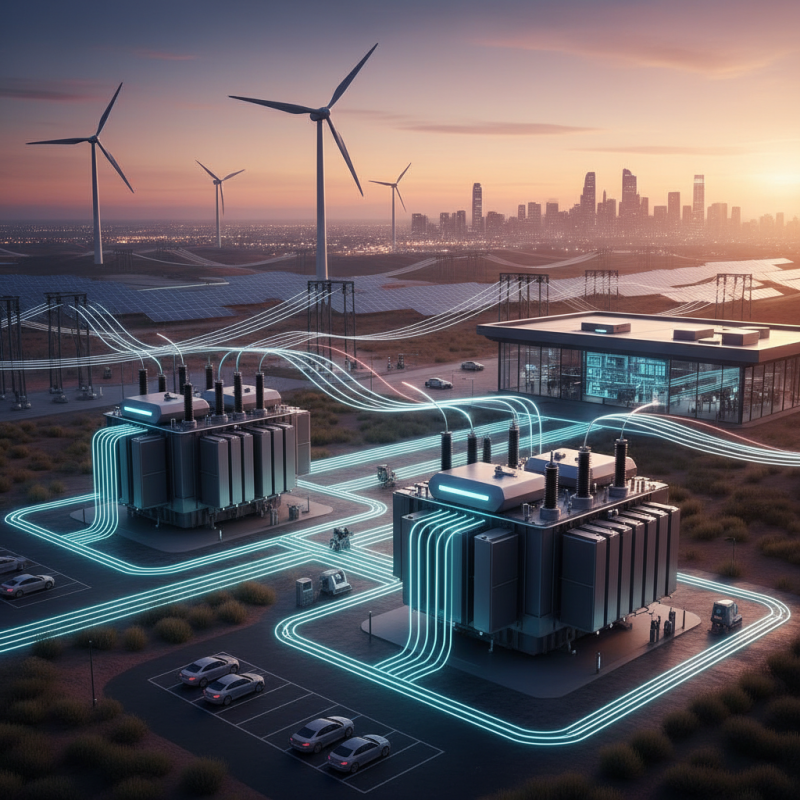
The Role of Power Transformers in Smart Grid Systems
Power transformers play a crucial role in smart grid systems, enhancing efficiency and reliability. According to the International Energy Agency (IEA), the integration of these transformers can increase energy efficiency by up to 30%. This is significant, especially as global electricity demand continues to rise. They enable better power distribution and minimize losses.
In smart grids, power transformers manage voltage levels effectively. This reduces the risk of outages and maintains system stability. A report by the U.S. Department of Energy highlights that advanced transformers can monitor grid conditions in real time. This capability allows for quick adjustments, ensuring a steady supply of electricity. The importance of reliable data cannot be underestimated in today’s energy landscape.
Tips for improving efficiency include regular maintenance of transformers and implementing modern monitoring systems. Upgrading aging infrastructure can prevent unexpected failures. Embracing innovations in transformer technology is critical. Even with advancements, challenges remain. The balance between cost and efficiency is delicate. Ongoing innovation is essential for optimal performance in smart grid systems.
Understanding the Functionality of Power Transformers
Power transformers play a vital role in smart grids. They are essential for managing electricity flow, ensuring that energy is transmitted efficiently. These transformers adjust voltage levels, transforming high voltages to lower ones. This functionality helps maintain stable power delivery across long distances.
The design and operation of power transformers have evolved significantly. Modern transformers use advanced materials and technology. This innovation enhances their efficiency and reliability. However, not all transformers perform equally. Some may not adapt well to varying loads, leading to inefficiencies.
Ongoing research aims to improve their performance, but challenges remain.
Understanding power transformers goes beyond their basic function. These devices also contribute to grid resilience. By preventing losses, they help save energy. Yet, factors like temperature and humidity can affect performance. Monitoring these conditions ensures optimal operation, highlighting the need for constant evaluation and improvement.
Benefits of Enhanced Efficiency in Smart Grids
Smart grids harness cutting-edge technology to enhance energy distribution. A key component is power transformers, which boost efficiency. These transformers manage voltage levels, ensuring that energy travels longer distances with minimal loss. Their role is critical as grids become increasingly complex.
The benefits of enhanced efficiency in smart grids are significant. Reduced energy losses translate to lower operational costs. This efficiency allows for better integration of renewable energy sources, such as solar and wind. With improved performance, utilities can respond to energy demands more effectively. The ability to adapt is essential in today’s fast-paced energy landscape.
There are challenges, though. Aging infrastructure can hinder the full potential of smart grids. Not all locations can easily upgrade to advanced transformers. Additionally, as demand fluctuates, maintaining efficiency can be tricky. Awareness and persistent reevaluation of these systems are necessary for optimum performance.
Challenges in Integrating Power Transformers with Smart Technologies
Integrating power transformers into smart grid systems presents notable challenges. Smart grids demand timely data and efficient energy flow. Traditional power transformers often lag in these aspects. They are designed for stability, not speed. This results in reduced efficiency when a quick response is necessary.
One major issue is interoperability. Power transformers often struggle to communicate with modern smart technologies. These technologies rely on advanced sensors and real-time data. If transformers can't effectively share information, the entire grid suffers. It's essential to develop solutions that enhance this communication. Many systems remain incompatible or require significant upgrades. This leads to additional costs that utility companies must consider.
Another challenge is the physical space required for upgrades. Retrofit solutions can take up considerable space. As urban areas become denser, finding room for enhancements can be difficult. Furthermore, aging infrastructure complicates matters. Utility companies must analyze where and how to implement changes. This requires careful planning and investment. The potential for improvement exists, but it is not straightforward.
Future Trends in Power Transformer Technology for Smart Grids
Power transformers play a crucial role in the evolution of smart grids. These transformers enhance energy efficiency by stepping up and down voltage levels efficiently. Future advancements in power transformer technology are vital for further optimizing the grid’s operation.
Recent reports indicate that the global market for smart transformers is expected to grow significantly. By 2026, it might reach around $7 billion, reflecting a compound annual growth rate of approximately 10%. This growth highlights the increasing reliance on advanced transformer technology in managing distributed energy resources. Innovations such as digitalization are promoting real-time monitoring and predictive maintenance. These features enhance operational reliability, but challenges remain.
The integration of renewable sources is not without its hurdles. As renewable energy generation increases, transformers will face varying load conditions. Some transformers may struggle to adapt to these fluctuations, which could lead to inefficiencies. Addressing these issues requires ongoing research and investment. Focus on sustainable materials and better heat dissipation technologies is necessary for future developments. Emphasizing efficiency helps achieve the ultimate goal of an environmentally friendly and resilient energy system.
Why Smart Grids Rely on Power Transformers for Efficiency? - Future Trends in Power Transformer Technology for Smart Grids
| Dimension |
Description |
Current Trends |
Future Innovations |
| Efficiency |
Power transformers improve efficiency in transmission and distribution. |
High-efficiency designs reducing energy losses. |
Integration of AI for adaptive performance optimization. |
| Reliability |
Essential for maintaining stable electricity supply. |
Advanced materials for enhanced durability. |
Smart monitoring systems for predictive maintenance. |
| Cost-effectiveness |
Lower operational costs through efficiency and longevity. |
Investment in more efficient transformers reducing electricity costs. |
Innovations in transformer design for lower production costs. |
| Sustainability |
Support for renewable energy sources and reduction of CO2 emissions. |
Developments in eco-friendly materials and technologies. |
Enhanced integration capabilities with renewable and smart technology. |
FAQS
: Power transformers enhance efficiency and reliability in smart grids. They manage voltage levels and minimize energy losses.
They can increase energy efficiency by up to 30%, enabling better distribution and reducing overall operational costs.
Key benefits include lower energy losses and better integration of renewable energy sources. This enhances overall grid performance.
Aging infrastructure can limit the potential of smart grids and hinder the upgrade to advanced transformers.
Enhanced efficiency allows utilities to adapt better to energy demands. Regular system evaluation is necessary for optimal performance.
Regular maintenance and modern monitoring systems are crucial to prevent unexpected failures and ensure reliability.
Real-time monitoring helps in making quick adjustments to maintain a steady electricity supply and ensures system stability.
Embracing new technologies is critical. Innovations can lead to improved performance, but cost-efficiency can be challenging.
Enhanced efficiency allows for better integration of solar and wind energy, which is vital for a sustainable energy future.
Continuous awareness and reevaluation of transformers are necessary. There's a delicate balance between cost and efficiency in upgrades.
Conclusion
Smart grids are increasingly reliant on power transformers to enhance their efficiency and reliability. Understanding how smart grids use power transformers is crucial, as these devices play a pivotal role in managing electrical energy flows, regulating voltage levels, and ensuring stability within the grid. By facilitating the integration of renewable energy sources and advanced technologies, power transformers contribute to the overall functionality of smart grid systems.
However, the integration of power transformers with emerging smart technologies presents challenges, such as the need for advanced monitoring and control systems. Despite these hurdles, the benefits of improved efficiency, reduced energy losses, and enhanced grid resilience demonstrate the importance of power transformers in modern energy infrastructure. Looking ahead, innovative developments in power transformer technology will be essential for optimizing smart grid performance and adapting to future energy demands.
 Tanaka Electric
