Tanaka Electric
As the 2026 Canton Fair approaches, the spotlight will shine on innovative technologies in various sectors. One of the most critical areas is Power Transformer Monitoring Technologies. These technologies are essential for ensuring reliability and efficiency in electrical grids. By integrating advanced monitoring systems, industries can enhance the operational lifespan of power transformers.
The fair will showcase cutting-edge solutions that include real-time data analytics and predictive maintenance tools. These tools significantly reduce the risk of failures and enhance overall system performance. Attendees will have the opportunity to explore these advancements in over 155,000 square meters of exhibition space.
However, the implementation of these technologies is not without challenges. Stakeholders may find it difficult to integrate new solutions with existing infrastructure. There is ongoing debate about the costs versus benefits of adopting such monitoring systems. As the fair introduces AI-driven search and navigation, it will aid in simplifying the vendor selection process. This will allow businesses to identify suppliers of Power Transformer Monitoring Technologies that meet stringent certifications.
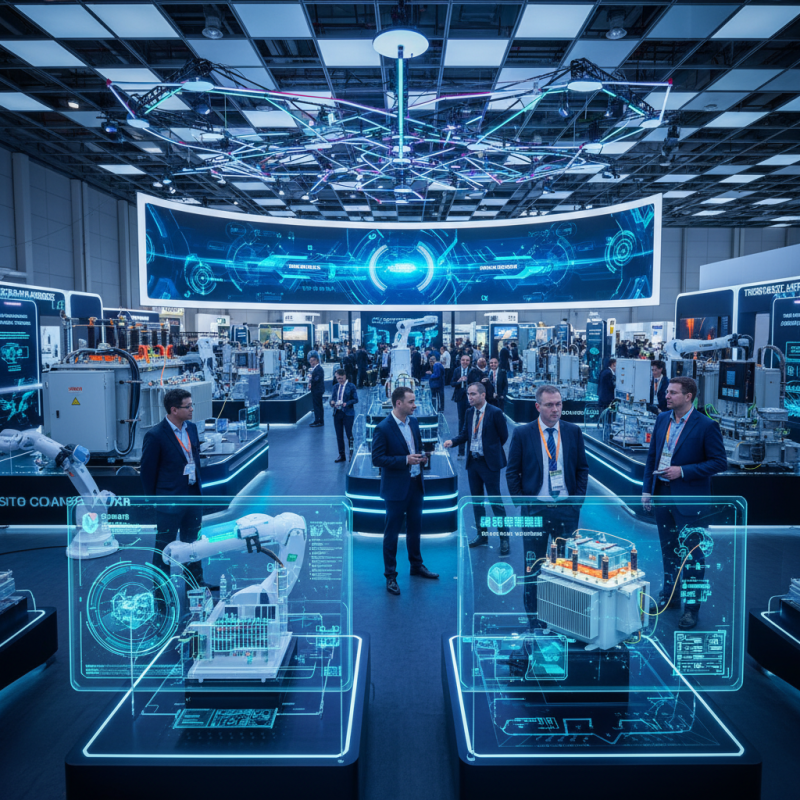
As the 2026 Canton Fair approaches, the focus on power transformer monitoring technologies is crucial. These technologies play a vital role in ensuring the reliability and safety of electrical systems. With growing demands for energy efficiency, innovations in monitoring systems have emerged, boasting real-time data analysis and predictive maintenance capabilities. Such advancements can enhance operational performance significantly.
Among the highlighted technologies, advanced sensor systems are vital. These sensors can detect temperature variations, voltage fluctuations, and other critical parameters. They provide valuable insights into the transformer's health over time. However, the integration of these systems often faces challenges. For instance, data overload can occur, making it difficult for operators to interpret all the information effectively.
Moreover, using artificial intelligence in monitoring can reduce human error. AI algorithms can analyze patterns and predict failures before they happen. Yet, this approach may raise concerns about reliance on technology. It is essential to ensure that operators are adequately trained. Understanding human-and-machine collaboration is necessary to avoid oversight in critical operations. Balancing technology with human expertise is key to optimizing performance while maintaining safety in energy systems.
In recent years, the power transformer monitoring technologies market has experienced significant growth. Companies are increasingly focusing on improving transformer efficiency and reliability. This trend highlights the importance of precise monitoring systems. Effective monitoring ensures minimal downtime and optimal performance.
The demand for advanced monitoring technologies continues to rise. Innovations such as real-time data analytics and smart sensors are gaining popularity. These tools provide crucial insights into transformer conditions. However, not all solutions are equally effective. Some may require further refinement for better accuracy and integration.
Stakeholders often find it challenging to stay updated with the rapid advancements. The learning curve can be steep, leading to hesitation in adopting new technologies. It’s essential to balance innovation with practicality. Investment in training and support systems may fall short, requiring further attention. The market's future depends on addressing these gaps effectively.
The landscape of power transformer condition monitoring is evolving rapidly. In 2026, the Canton Fair will showcase technologies designed to enhance operational efficiency. Current data indicates that predictive maintenance can reduce failure rates by up to 30%. Advanced sensors enable real-time monitoring, allowing for immediate detection of potential issues.
Artificial intelligence plays a crucial role in transforming data into actionable insights. Reports suggest that AI-based systems can improve decision-making processes by up to 40%. However, the integration of these technologies is not without challenges. Many operators lack the necessary training to interpret complex data. This gap can lead to mismanagement and delays in addressing transformer issues.
Moreover, the increasing reliance on digital diagnostics raises concerns about data security. In a world where cyber threats are prevalent, securing sensitive information is paramount. It's not just about improving technology; it's about fostering a culture of responsibility and vigilance. Innovations in condition monitoring must prioritize user education alongside technological advancements.
| Technology | Key Features | Benefits | Market Trends |
|---|---|---|---|
| Condition Monitoring Sensors | Real-time data collection, temperature and pressure monitoring | Improved reliability, early fault detection | Growing adoption due to industry safety requirements |
| DGA (Dissolved Gas Analysis) | Gas chromatography for oil analysis | Enhanced predictive maintenance | Increased focus on asset management |
| Thermal Imaging | Non-contact temperature measurement | Identifies hotspots, prevents failures | Rising demand for automation in inspections |
| Vibration Analysis | Monitoring mechanical conditions | Reduces unplanned downtime | Trend towards integrated monitoring systems |
| Ultrasound Testing | Detection of partial discharge | Increases transformer lifespan | Adoption in aging infrastructure assessments |
| Smart Monitoring Systems | IoT-enabled data analytics | Remote monitoring capabilities | Shift towards digital transformation in utilities |
| Load Monitoring Tools | Assessment of electrical load variations | Facilitates load management | Integration with smart grid technologies |
| Insulation Resistance Monitoring | Continuous tracking of insulation integrity | Prevents electrical failures | Focus on critical infrastructure resilience |
| Predictive Maintenance Algorithms | Data-driven maintenance forecasting | Cost savings on maintenance | Increased investment in AI technologies |
| Data Analytics Platforms | Big data processing for performance insights | Enhanced decision-making | Growing emphasis on data security and analysis |
As power utilities face growing demand, effective monitoring technologies become crucial. Smart sensors provide real-time data about transformer conditions. They offer benefits such as higher accuracy and predictive maintenance. Traditional monitoring systems often rely on periodic inspections. This can lead to missed faults and unplanned downtime.
A recent industry report indicates that smart sensors can reduce equipment failures by up to 30%. In contrast, traditional systems may lead to higher operational costs due to unexpected failures. This stark difference highlights the need for modern approaches. However, the cost of transitioning to smart technology can be a barrier for some utilities.
Moreover, smart sensors may produce vast amounts of data. This data can overwhelm operators who lack proper analytical tools. Many utilities are still adapting to integrate these technologies effectively. Thus, while advantages exist, challenges in implementation remain significant. Balancing modern innovations with existing practices is critical for progress.
The integration of IoT and AI technologies is reshaping the landscape of power transformer monitoring. Real-time monitoring systems enabled by IoT can collect vast amounts of data. This data includes temperature, load conditions, and more. However, processing this information requires sophisticated algorithms. AI helps in analyzing trends and predicting potential failures. The use of AI can identify anomalies that human operators might overlook.
Challenges remain, though. Not all installations may have reliable internet connectivity. Data security is another concern. Cyber threats can compromise sensitive information. Additionally, not every utility is ready to adopt these advanced technologies. Some may feel overwhelmed by the rapid pace of change. There is a need for proper training and support.
The potential benefits are enormous. Automated monitoring can lead to improved efficiency and reduced downtime. Predictive analytics may save costs by avoiding costly outages. However, companies must carefully consider their implementation strategies. Each step should be tailored to their specific context and needs. Crafting a balanced approach is crucial as the industry advances.
Power transformer monitoring systems face significant challenges in 2026. As the demand for energy increases, so does the complexity of power grids. Monitoring technologies must adapt to these changes. New sensors and data analytics tools are emerging, but they need further refinement. The industry struggles with integrating these innovations. Ensuring compatibility with existing infrastructure remains a concern.
Moreover, data management presents hurdles. Collecting vast amounts of data is one thing; analyzing it effectively is another. Professionals often grapple with extracting actionable insights. Cloud computing offers a solution, but can introduce security risks. Cybersecurity must be prioritized to protect sensitive information.
Innovation must also focus on cost efficiency. Many solutions are not affordable for smaller operators. This gap creates inequalities in the market. Companies need to rethink their business models. They should prioritize collaboration instead of competition. Investing in R&D is crucial for sustainable growth. The future of power transformer monitoring lies in finding the right balance between technology and practicality.
: Monitoring technologies ensure reliability and safety in electrical systems. They help prevent unexpected failures.
Advanced sensors detect temperature and voltage changes, providing insights into transformers’ health over time.
Data overload can occur, making it hard for operators to interpret information effectively and act on it promptly.
AI analyzes patterns and predicts failures, reducing human error. Yet, it raises concerns about over-reliance on technology.
Proper training is necessary to combine human expertise with technology, avoiding oversight in critical operations.
Cyber threats can compromise sensitive data, making it essential to prioritize security alongside technological advancements.
Smart sensors provide real-time monitoring and higher accuracy, while traditional systems rely on periodic inspections.
Transition costs can be significant. Also, managing large amounts of data generated by smart sensors can overwhelm operators.
Predictive maintenance can reduce failure rates by up to 30%, enhancing operational efficiency and saving costs.
A culture of responsibility, user education, and proper analytical tools are essential for successfully integrating new technologies.
The article titled "Top 10 Power Transformer Monitoring Technologies for 2026 Canton Fair" provides a comprehensive overview of the evolving landscape of power transformer monitoring technologies. It emphasizes the significant market growth in this sector due to the increasing demand for efficient energy management. Key trends highlight the innovations in condition monitoring, particularly the rise of smart sensors that outperform traditional systems in accuracy and reliability.
Additionally, the impact of emerging technologies such as IoT and AI is discussed, showcasing their role in enhancing real-time monitoring capabilities. Despite these advancements, the article addresses future challenges and opportunities, stressing the need for continuous technological integration to improve power transformer monitoring systems. Overall, the insights shared in the article highlight the critical nature of power transformer monitoring technologies as the industry prepares for future developments.
