Tanaka Electric Tanaka Electric

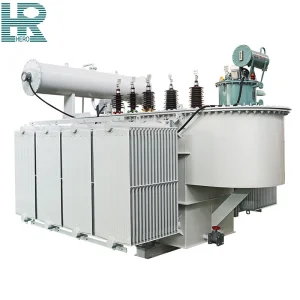
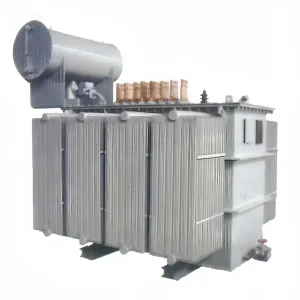
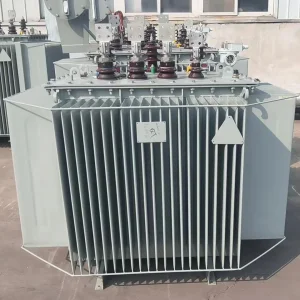
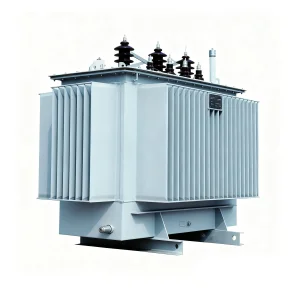
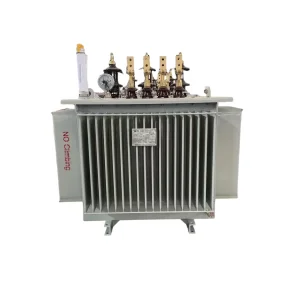
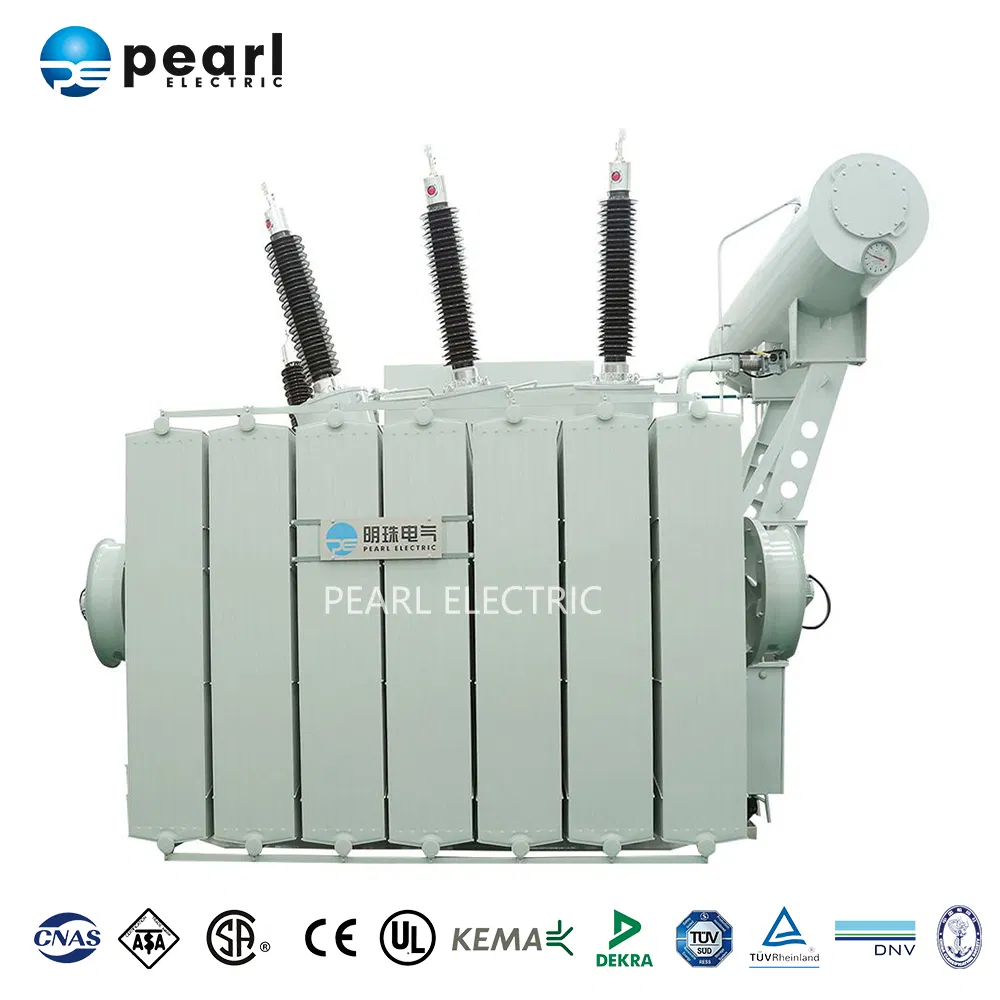
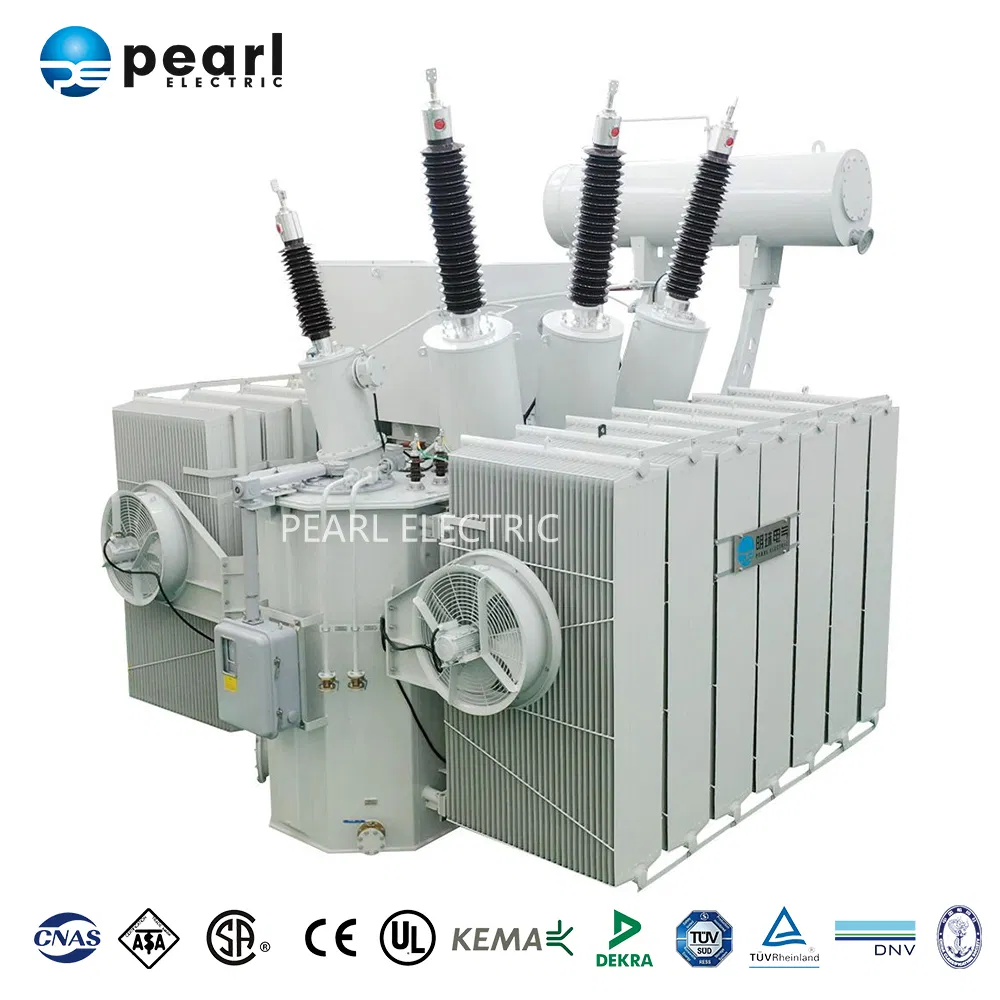
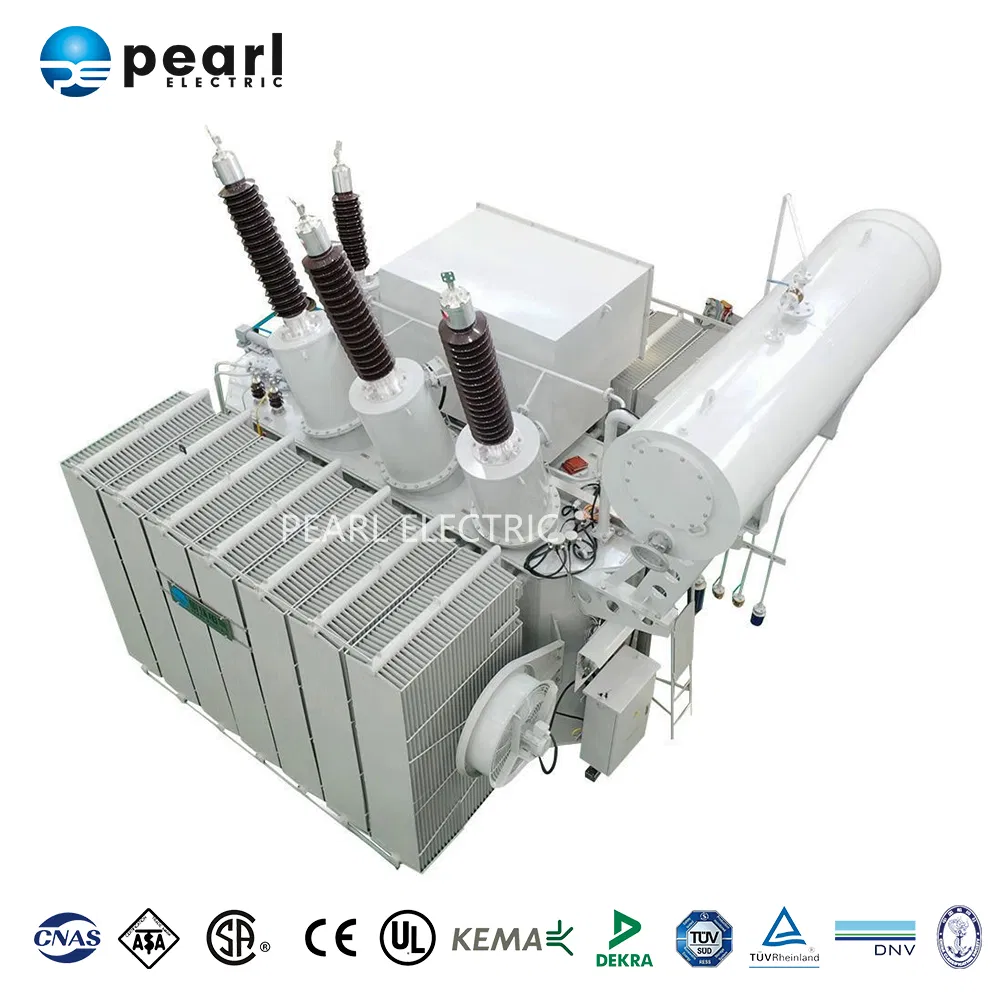
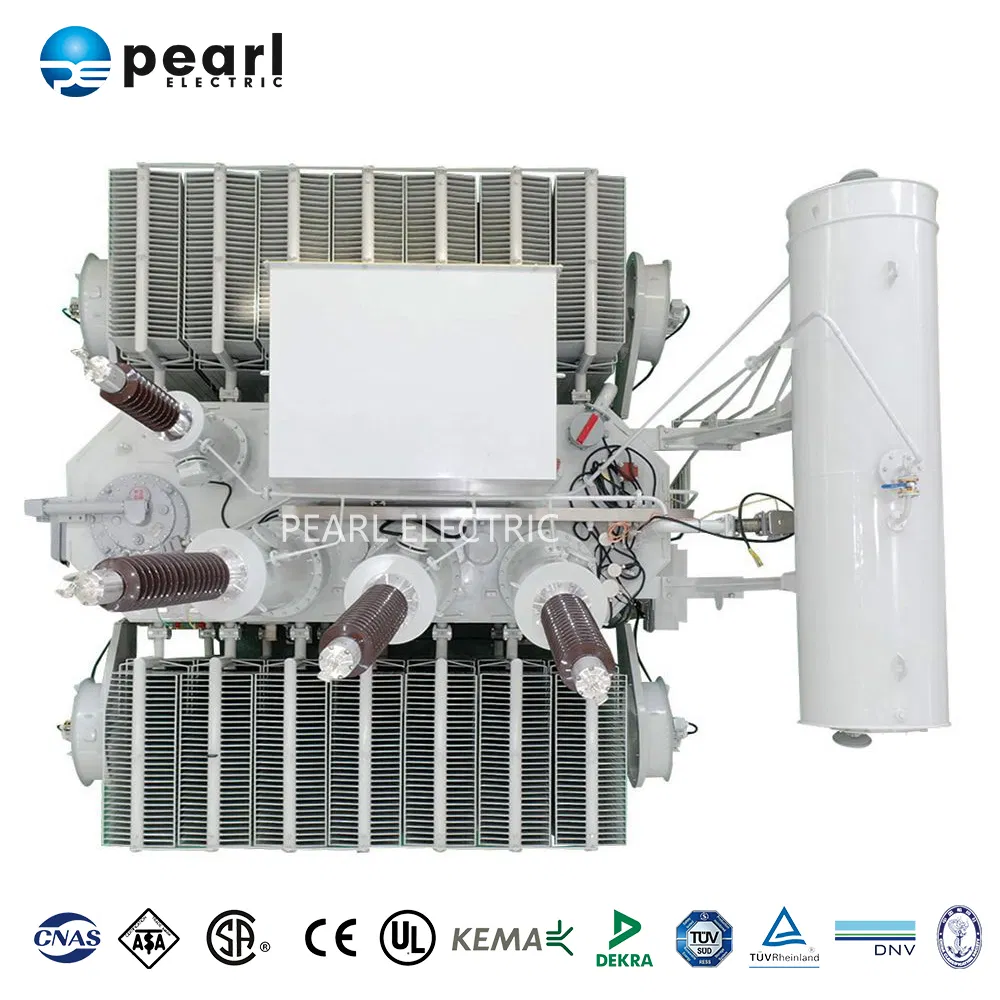
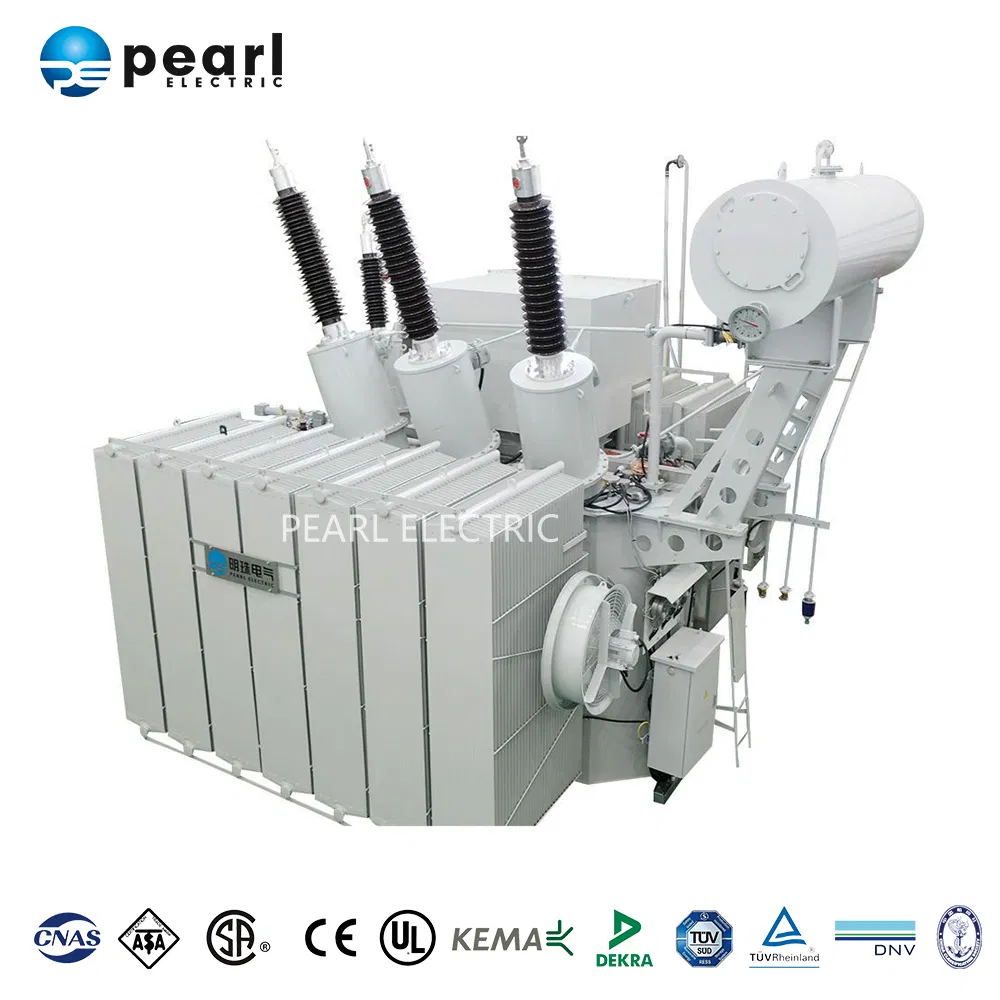
High Performance Electric Power Transmission Oil Immersed Electrolysis Hydrogen Production Rectifier Transformer

Customization: Available
Application: Power, Electronic, Instrument, Lighting, Rectifier, Audio
Phase: Three

Product Description

Basic Information
Model NO.PEO-S-35000/110
CoreCore-type Transformer
Cooling MethodOil-immersed Type Transformer
Winding TypeThree-winding Transformer
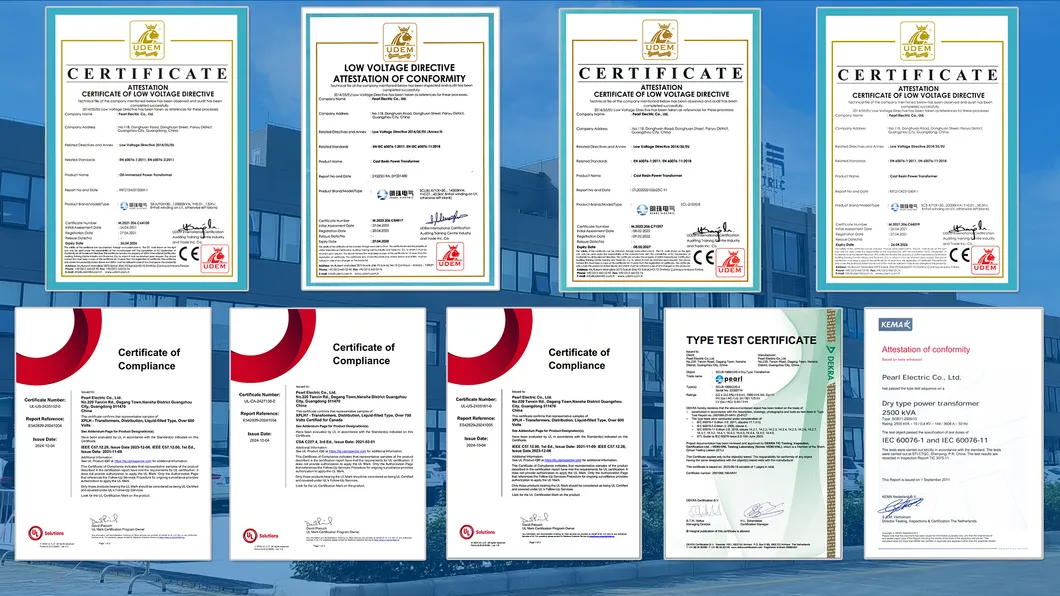
CertificationISO9001, CCC, ISO14001, ISO45001, CE, KEMA
UsagePower Transformer, Distribution Transformer
Shape of CoreRing
Production DescriptionsOil-immersed Power transformer
CapacityUp to 100 MVA or Customized
Voltage (HV/LV)Up to 145 KV or Customized
Tapping Range+/-8 x 1.25%(Customized), OLTC
Winding MaterialsCopper
Cooling WayONAN/ONAF
Production Capacity15 million kVA Per Year
Electrolysis Hydrogen Production Rectifier Transformer

A Rectifier Transformer for hydrogen production is the specialized "heart and power supply system" for water electrolysis hydrogen production equipment (the electrolyzer). Its core task is to convert the grid's alternating current (AC) into the direct current (DC) with high current and low voltage required by the electrolyzer.

This is not a standard transformer; it integrates voltage transformation, electrical isolation, harmonic management, and system matching. Its high efficiency, high reliability, and stability are key to reducing hydrogen production costs.
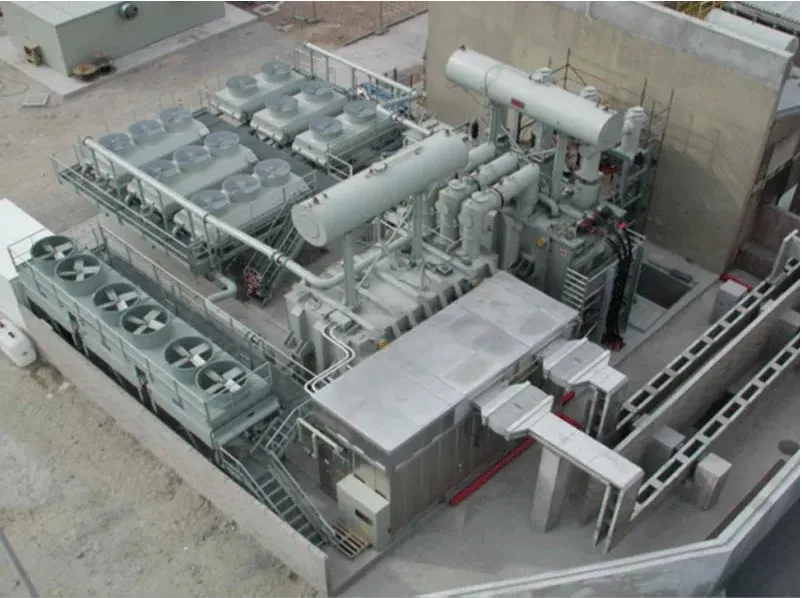
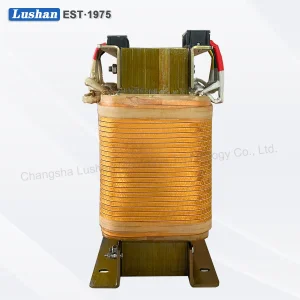
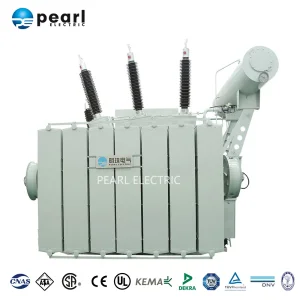
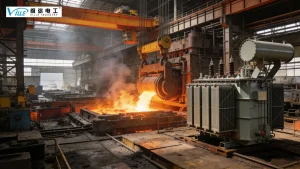
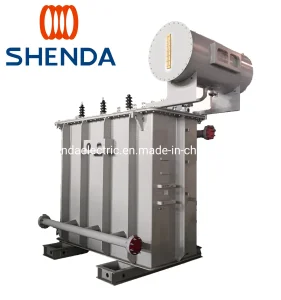
Electrolysis hydrogen production rectifier transformer
Key Characteristics
High Reliability & Continuity: Designed for year-round uninterrupted operation in chemical plants with extremely low failure rates.
High Efficiency: Minimized no-load and load losses to directly impact and reduce the final cost of hydrogen.
Strong Overload Capacity: Built to handle load fluctuations and short-term overloads during production cycles.
Advanced Cooling: Options include Oil-Immersed (excellent dissipation for large projects) or Dry-Type (fire and explosion prevention).
Flexible Regulation: Equipped with On-Load Tap Changers (OLTC) for precise control of hydrogen production rates.
Technical Comparison
Feature Hydrogen Rectifier Transformer Standard Power Transformer
Load Characteristic Non-linear rectifier load with high harmonic content Linear load (resistive/inductive)
Waveform Integrity Significant high-order harmonics, causing distortion Maintains clean, sinusoidal AC output
Design Priority Reinforced for thermal stress and electromagnetic forces Optimized for efficiency under linear load
Output Profile Low voltage, high current (tailored for electrolyzers) Standard voltage levels
Green Hydrogen Industry Integration

With the growth of the Green Hydrogen industry, these transformers serve as the vital bridge between renewable energy sources (wind/solar) and the electrolyzer. They offer enhanced immunity to power fluctuations and grid disturbances while supporting megawatt (MW) and gigawatt (GW) scaling.
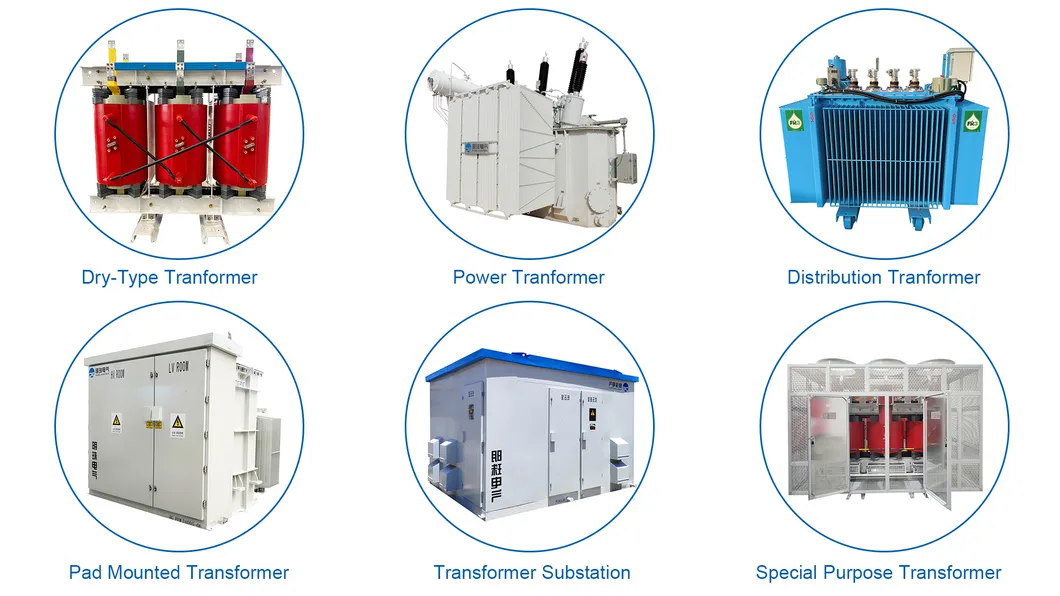
Product Line & Solutions
Product Line
Certifications
Certifications
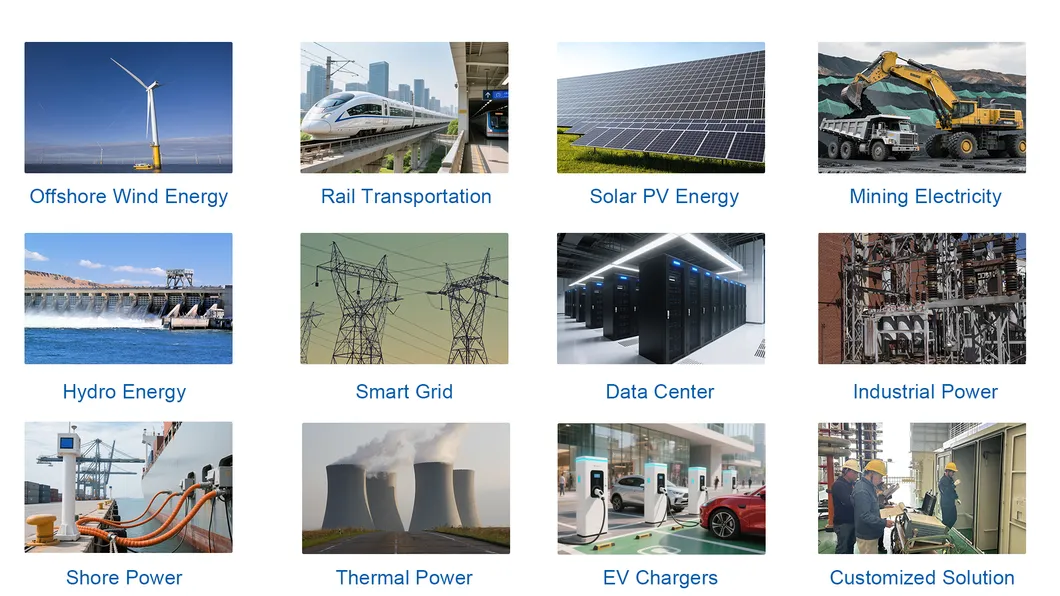
Application / Solution
Application Solution
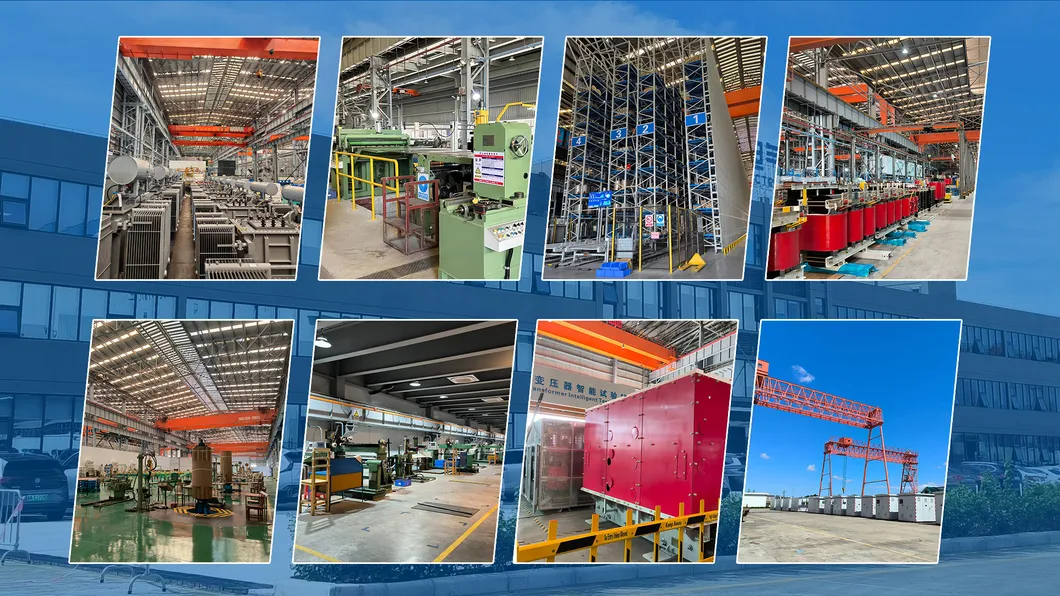
Production Facilities
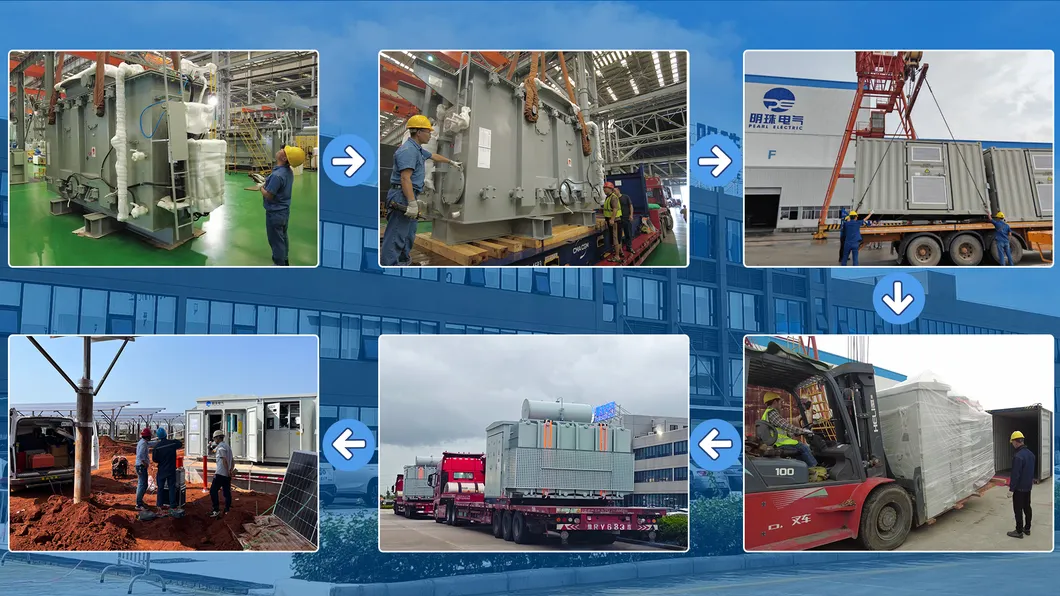
Production Facility 1 Production Facility 2 Production Facility 3
Production Facility 4 Production Facility 5 Packaging
Frequently Asked Questions (FAQ)
1. What is the role of a rectifier transformer in hydrogen production? It acts as the power heart of the system, converting high-voltage AC from the grid or renewable sources into the high-current, low-voltage DC required by water electrolysis equipment.
2. What certifications do your transformers carry? Our transformers have been awarded prestigious international certifications including CE, UL, and KEMA, ensuring compliance with global safety and quality standards.
3. How do these transformers handle renewable energy sources? They are designed with an expanded voltage regulation range and enhanced immunity to fluctuations, making them perfectly compatible with variable power from wind and solar farms.
4. What is the typical lead time for production? Generally, the production process takes approximately 4 to 6 weeks, depending on the specific technical requirements and complexity of the model.
5. Can the capacity and voltage be customized? Yes, we provide fully customized solutions with capacities up to 100 MVA and high-voltage ratings up to 145 KV to meet specific industrial or project requirements.
6. Which cooling method is better: Oil-Immersed or Dry-Type? Oil-immersed transformers offer excellent heat dissipation for large-scale projects, while dry-type (epoxy resin cast) transformers provide better fire prevention for indoor or high-safety environments.

Related Products